



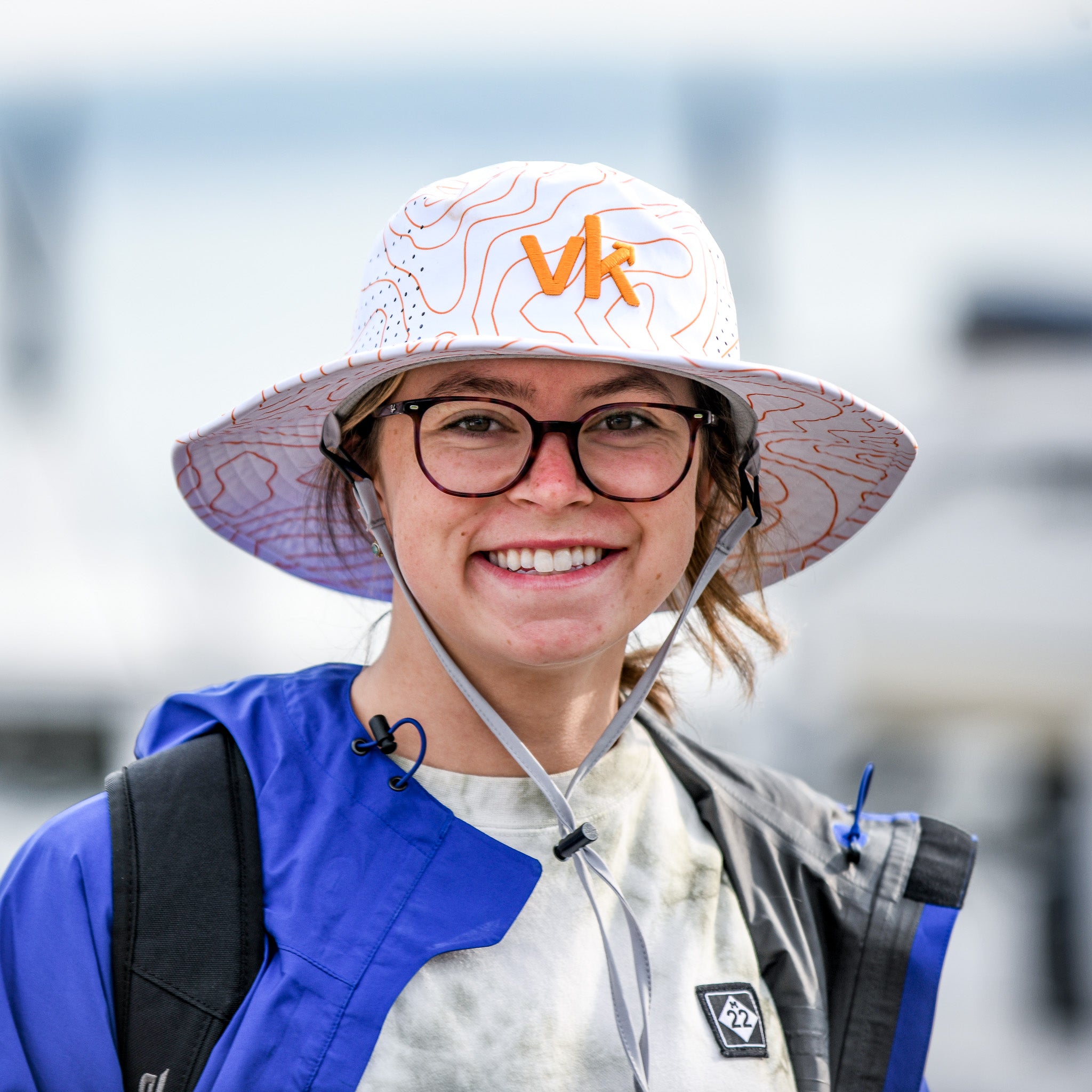

Seven questions to Laura Grondin
Laura, congratulations again. When you look back at the Worlds, what were the key performance decisions or routines that made the difference for your team across the week?
The strength of our team is that we have a high level of proficiency with each member,
we have an A player in each position. Each team member sticks to their role on the
boat. We had daily discussions with our coach which included data review, video,
photos of us and competitors and weather briefings, these sessions were invaluable.
The J/70 fleet has a very high competitive baseline. How did you and your team approach preparation and data review leading into the event?
As mentioned above, the daily sessions with our coach began with our first practice.
During practice, we made adjustments in each condition if we did not feel that we were
dialed in or that the boat was going well. By the time the event started, we felt that we
had a fast mode in each condition: high to low breeze and flat to choppy seas. We used
the data from the RaceSense to compare our performance to other boats both before
the event started and during; we used the starting data when reviewing our starts
alongside the video taken by our coach.
You’re now the first woman helm to win the J/70 World Championship. What does that milestone represent to you personally, and what do you hope other sailors take from it?
To win my first World Championship is exhilirating; to be the first woman to do so on the
J70 is the cherry on top! My fondest hope is that other women will be inspired to ‘keep
going’ and keep learning and competing.
J/70 racing demands consistency in starts and transitions. Was there a particular race or moment during the championship where you felt the team had found its rhythm?
We had an OCS on the first start; we clawed our way back up to a 6 th place finish. That
was a real testament to the team and our mantra of never giving up.
Communication on board is everything in tight tactical fleet racing. How would you describe the dynamic within your crew, and how did it evolve over the regatta?
We have a very clear delineation of roles and responsibilities; the team trusts each
other to do their jobs. Actually, less communication or precise communication during
tense moments is quite valuable so that the team can stay focused on the tasks at
hand. I do have to share that our dynamic did not really evolve. As an example, Ted Hackney turned to me before the last race of the event and said: ‘I don’t want you to do anything differently this race…’ Consistency is key.
From your perspective, where do you see the biggest gains still available in the class, is it boat handling, decision-making, data, psychology, or something else?
Properly using and analyzing the information and data available is the next frontier. We
used that information to our advantage to dial in our boat speed and reviewed our
performance against other boats daily. On the water during racing, knowing which data
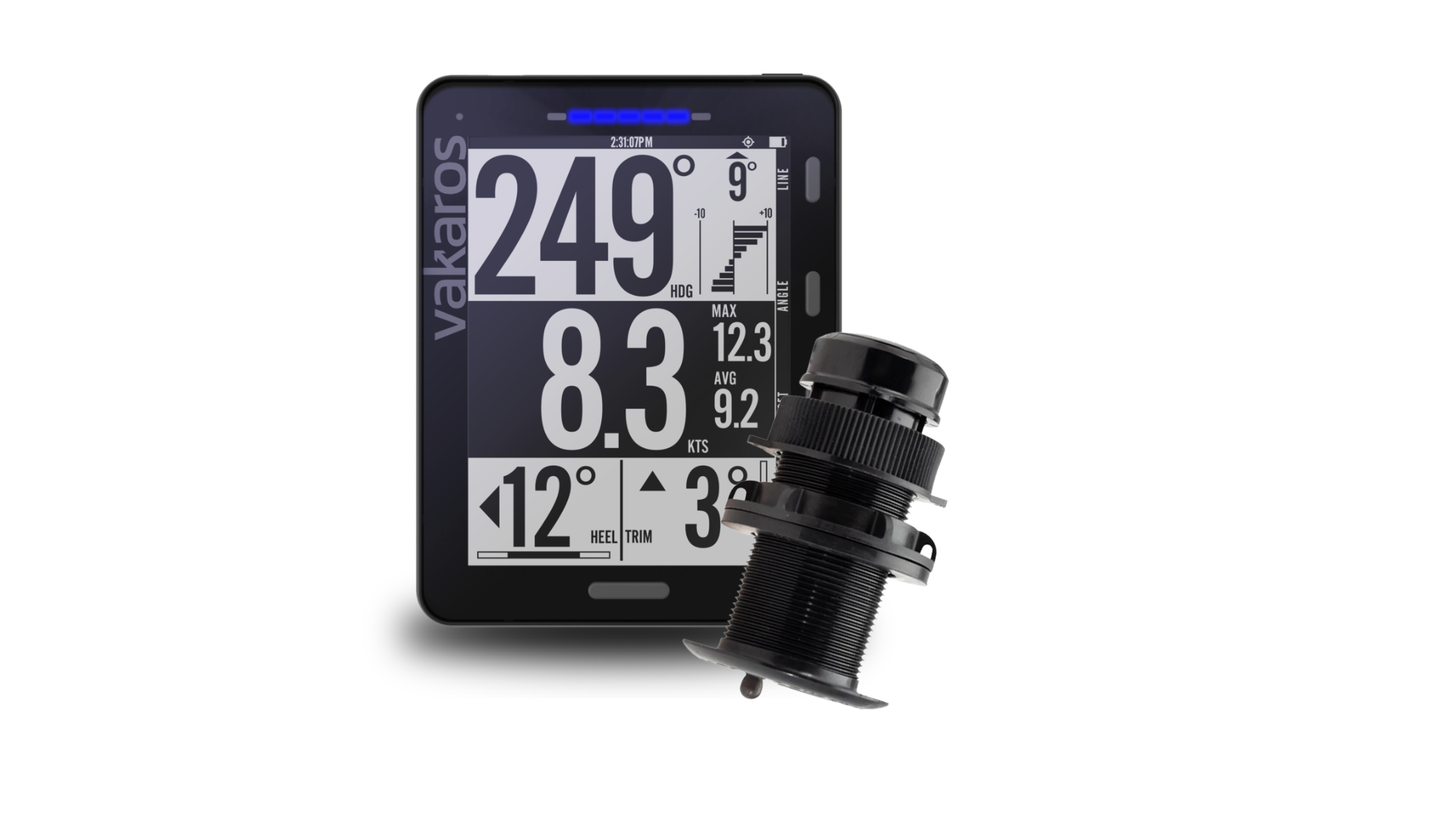
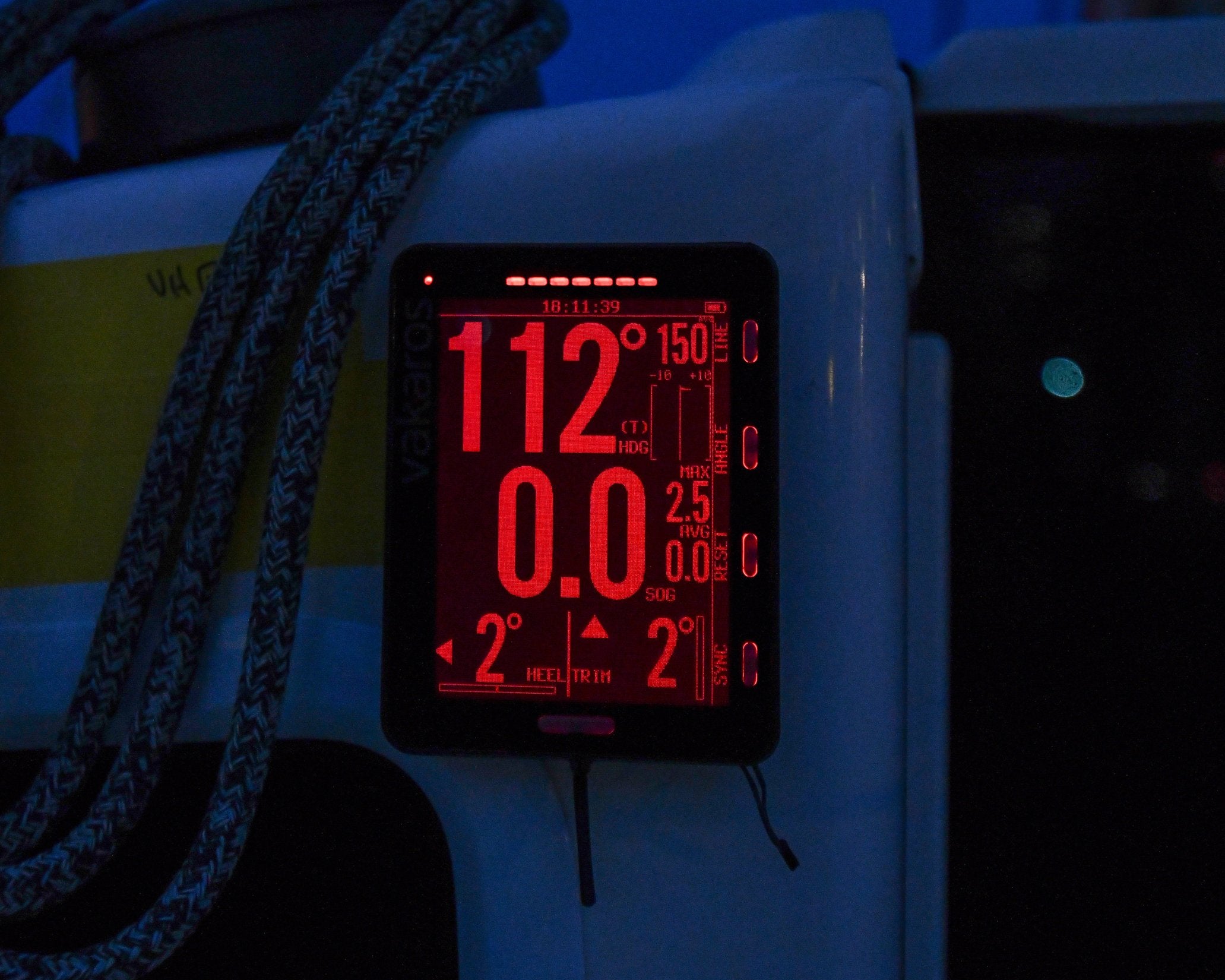
to look at such as the angle of the line or the angle of heel are also part of the picture.
RaceSense has been used in several high-level one-design fleets to support fair starts and reduce general recalls. From a helm’s perspective, how does having clearer start-line information change the way you approach the first minute of the race?
RaceSense does favor teams that are good at starting in part because boats can no
longer get away with being over but hidden. The technology also greatly reduces the
time between races for moving marks and pinging.
The benefit in the first minute of the race is that you know right away where you stand,
is that boat that is sitting slightly to weather and ahead over and having to go back or
clear and going to be a problem? am I over and have to back as quickly as possible?
What it does not change, is that my job in the first minute (and beyond) is to go as fast
as I can while keeping my lane….


